Shopping has changed.
Digital sales teams (via email, phone, or live chat) used to have a monopoly on information. If customers wanted an in-depth look at a particular product or brand, they needed to go through a salesperson to get that information.
Not anymore.
According to the United States Ecommerce Country Report, 88% of consumers research products online before buying. Google data states that 53% of shoppers always research before buying to ensure that they’re making the best possible choice. That number continues to grow. This change has shifted the balance of power from brands to consumers.
It’s changed the buyer’s journey.
Successful brands need to customize their eCommerce content strategy, harmonizing with consumer research trends and the buyer’s journey.
The buyer’s journey is the four-step process almost every customer goes through when shopping online. Each step comes with its own set of requirements and expectations. Here are the steps in the buyer’s journey:
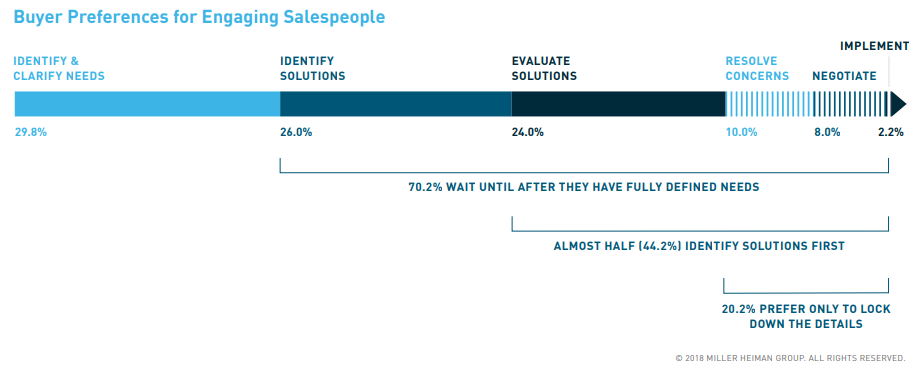
Data from Google backs this up. In a recent survey, 55% of buyers search for a product on Google, then learn more by going to YouTube before purchasing. Approximately 90% of shoppers surveyed say they’ve discovered new products and brands via YouTube.
This is the problem. In the past, brands could set the criteria for a solution via their sales and marketing teams. Today these criteria are defined by buyers themselves. Here’s the good news. Customers are eager to work with brands that are willing to earn their trust via education and information. Buyers may have a specific brand in mind, i.e., IcyHot heat wraps, or a more generic product, i.e., best heat wraps for the lower back.
They’re ready to make their decision to purchase. If you’ve mapped your content strategy to the buyer’s journey, you’ve already provided customers with the education and information they need.
Here’s the interesting part.
As customers become more familiar with your brand, the buyer’s journey is shorter. Think about your own experience here. How much time do you need to purchase the usual products on Amazon?
See what I mean?
Does this mean that familiarity will always reduce time spent progressing through the buyer’s journey?
It depends.
There are obvious exceptions; for example, the more expensive the product, the more time spent in the interest and consideration stages.
It all comes down to loss aversion.
Remember the question I asked in my previous post? Are you creating content for buyers or your audience? It’s easy (and convenient) to assume that these are the same people.
Don’t forget.
If you’re going to use personas…
The reason stands out, doesn’t it?
If your eCommerce content strategy is oriented around audience personas, sales and revenue will be an uphill battle. If your content is the tiebreaker that woos buyers to your brand, you’ll need to lead with the right persona.
Why is it so important to build your content strategy around the right personas? It ensures that you achieve and maintain the product/market fit you need to grow.
This means you:
The deeper your understanding of the buyer’s journey, your personas, and the market, the easier it is to find and maintain product/market fit.
It seems like an obvious idea.
If you build your content strategy around your buyer personas, you’ll know which content matters most to your audience and how to deliver it.
That’s true.
But there are subtle benefits to personas; when you use personas to guide your content marketing strategy, you can:
These benefits depend on the upfront work you do to develop your buyer personas.
What if you didn’t?
What if you decided against using personas in your eCommerce strategy? You’d miss out on all of the benefits above. In fact, these benefits would begin to work against you over time.
Your acquisition costs would increase, especially if you didn’t have data on your negative personas. Your content would attract certain audiences segments but repel others. Your content marketing strategy would be harder to measure, and it would be harder to identify your best converting content.
If personas are neglected, these benefits quickly become drawbacks.
Let’s say you’ve already done the work.
What’s next?
Customers are the foundation of all marketing. Targeting them with your content begins with understanding who they are and what they want.
How do you do that?
You start by collecting as much data on your customers as you can find. To quote Mike King, “what you’re doing is collecting data, segmenting it, and telling a story about that segment.” So first things first, you’ll need to collect data on your customers.
For a detailed breakdown of buyer personas, you can read Mike King’s comprehensive guide here. Remember the data I mentioned earlier?
Your buyer personas should provide you with clarity on your customer demographics, values, problems, objections, expectations, etc. Each persona uncovers important details and unique buying behaviors. Using this data, you can identify the types of content that resonate with each buyer persona. Armed with this data, you can:
What happens next?
You take the content ideas in your content buckets, and you add them to your editorial calendar. You use keyword data to optimize your content for search. When it’s completed, you promote each piece with a mix of paid and organic traffic to drive buyers to each piece.
At this point, you have the demographic, psychographic, and ethnographic data you need. You should be able to place your content in the right places. If you’ve done your keyword research, you should also be able to optimize your content for organic search.
Simply repeat this process for each persona/bucket.
If you have data, prioritize the personas that meet the performance standards you have sent. If you find that one or two personas bring in 80% of your revenue, focus your attention there.
Use the KPIs and metrics to evaluate your existing performance.
For example, if you look in Google Analytics and you see that a specific persona produces a disproportionate amount of conversions and revenue for your company, the decision is easy.
What if you don’t have the upfront data you need?
Create a hypothesis, outline a few of the personas you feel will perform best, then test your hypothesis as your content strategy takes shape.
Is this difficult to do?
Not if you’ve done the upfront work I mentioned above. Let’s take a look at two examples from a few well-known brands.
Lowe’s serves a variety of buyer personas. Today we’re going to take a look at the difference between the content provided for two groups. DIY projects for homeowners and Lowe’s for Pros.
Homeowners are typically overwhelmed when they shop at a big box home improvement brand like Lowe’s. These homeowners need instruction and help for their upcoming projects, but they often don’t have the time or resources required to pay for expert instruction.
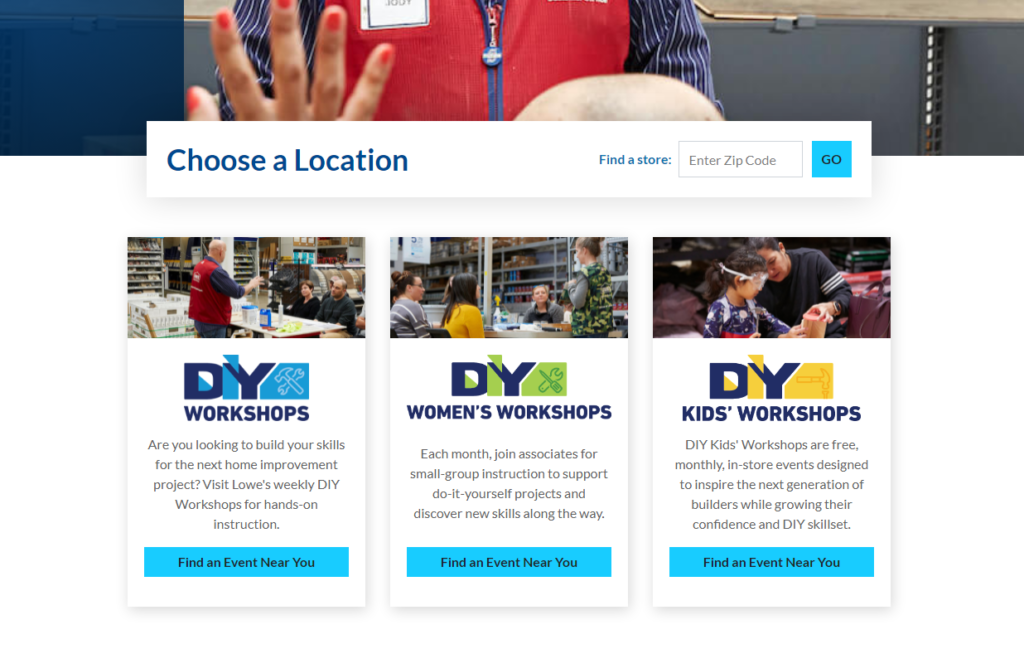
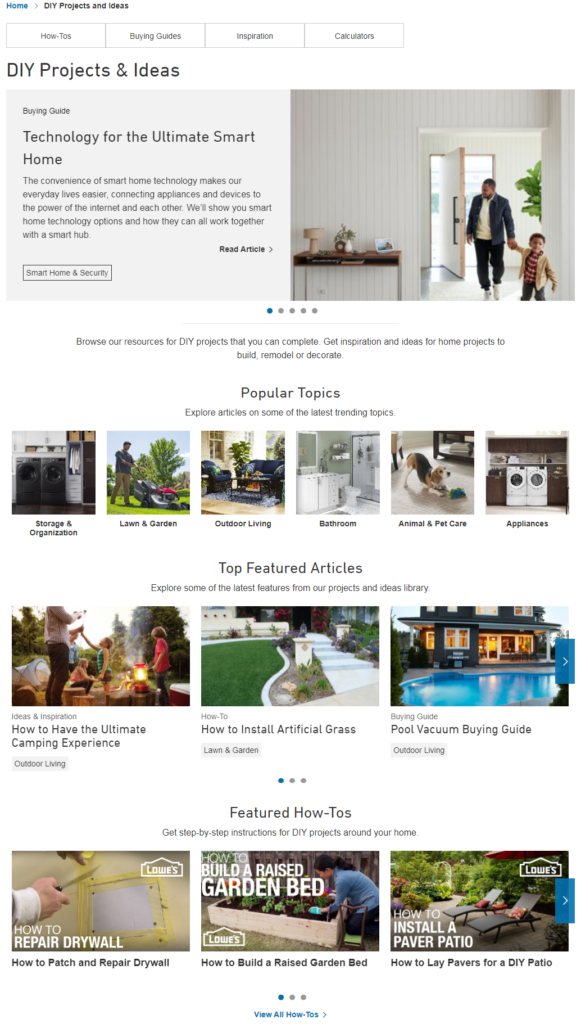
Lowe’s offers several content options for the inexperienced.
See the content focus?
These topics are oriented around the relative skill level of a DIYer and a typical project. The content is lighter in tone and designed to help homeowners learn entry-level skills.
What about pros?
Lowe’s for Pros is focused on supporting professionals, giving them the tools, resources, and content they need to grow their business. Here’s a screenshot of their content category page.

Lowe’s for Pros also has a variety of content that’s designed to serve the busy professional.
See the difference?
The content on their pro portal is designed to help professionals. The language, tone, topics, and projects are designed around two very different personas. What’s interesting about LOWE’s is the fact that they tie their products to specific projects listed in their content.
Their content and guides cover each phase of the buyer’s journey.
Let’s take a look at our next example.
IKEA is famous for its ready to assemble furniture. IKEA is focused on two main buyer personas, their consumer and business personas.
Their consumer websites focus on specific events like college furnishings, and the new school year or price-conscious customers interested in a good deal.
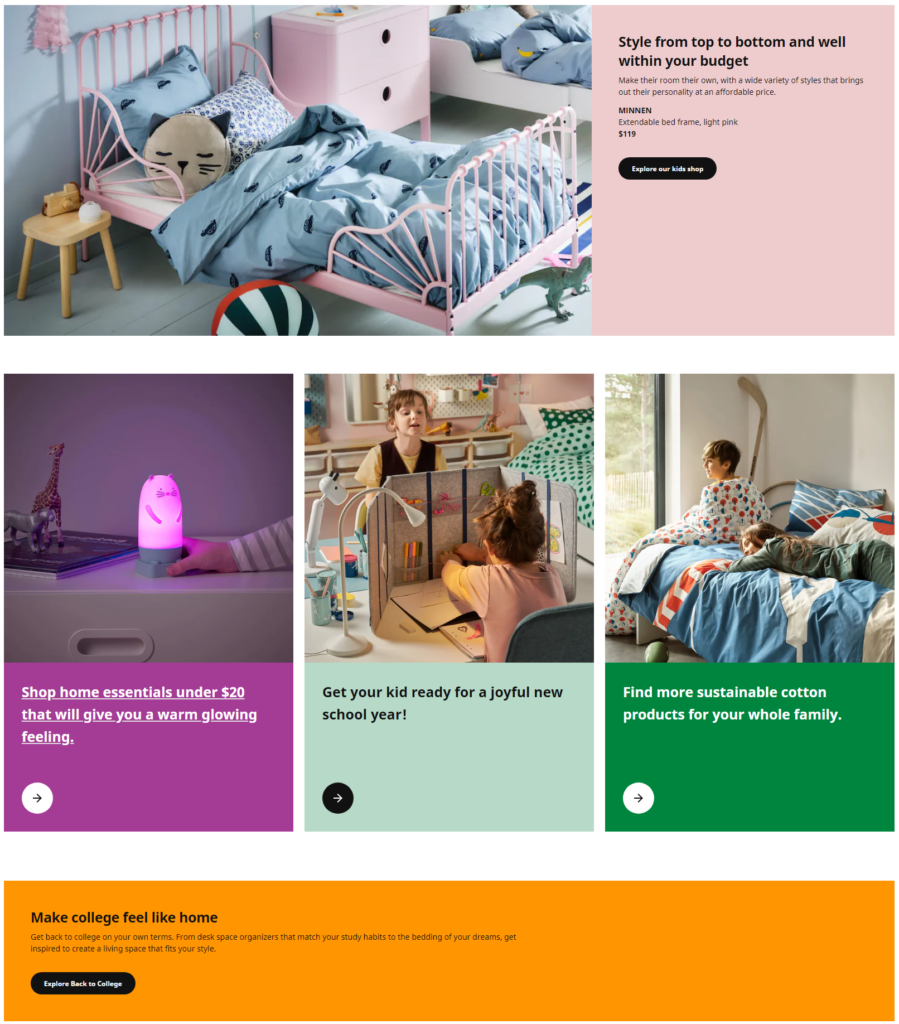
Contrast that with IKEA Business.
IKEA for Business orients their content strategy around the needs of their buyer persona — planning an office, renewing office space, creating an ergonomic workspace. It’s helpful and focused on the needs of the business directly, rather than on various members of the family.

IKEA’s ToFu content focuses on high-level topics like renewing your office space, creating an ergonomic workspace, office planning, etc. But like LOWE’s, IKEA’s content guides customers through the buyer’s journey.
Their MoFu includes room showcases, and galleries content includes their room, table, and chair planner tools.

BoFu content includes an invitation to book an IKEA for Business virtual appointment

They create a maze of content that turns casual browsers into repeat shoppers.
Customer behavior changes over time.
Sometimes these changes are drastic; other times, they’re incremental. COVID is a great example of how audiences have changed; customers are thinking and buying differently.
A recent report from McKinsey demonstrates this.
This change has shuffled customer behavior and habits dramatically. Thanks to COVID, consumers have covered a “decade in days” adoption of digital. Ecommerce has seen a meteoric rise as customers view home as “the new coffee shop, restaurant, and entertainment center.”
Here’s how COVID has restructured audience priorities.
The pandemic has shaken customer habits.
Customers are shopping locally and spending more money online. More people are working from home today than ever before. No one knows if the dramatic growth we’ve seen in the eCommerce industry is here to stay. Your content strategy should be informed by the changes we’ve seen.
If you have a content strategy in place, it’s worth revisiting it so you can make any necessary adjustments as the world opens up. In our IKEA example, they may find that customers aren’t as eager to go back to an in-store experience.
This may not be something your organization wants to prioritize in-house. Maybe your team is focused on other important to-dos, or you’d like your content strategy to be crafted by seasoned professionals.
You may need an agency.
If you decide to go the agency route, you’ll want to ask questions about their process. Ideally, your agency will provide you with detailed recommendations and a comprehensive content strategy plan based on audience research.
Your agency should be able to:
Each phase of the process should be clear and transparent. Your content strategy should align with your company’s goals and objectives.
Persona research is the key to understanding your customers. Successful brands need to customize their eCommerce content strategy, so it harmonizes with audience trends and the buyer’s journey. As customers become more familiar with your company, the buyer’s journey is easier.
Use personas as the basis of your content strategy.
With the right personas, you’ll be able to create a reliable content strategy that shepherds customers through the buyer’s journey, ensuring that you achieve and maintain the product/market fit your company needs to grow.